Gyusei, Bukit Damansara
| Year | 2026 |
| Type | Hospitality |
| Team | Ele Mun, Kwok Shwu Ching |
| Location | Bukit Damansara, Kuala Lumpur |
How do you create a setting for a foreign cuisine that remains, at least subtly, local?
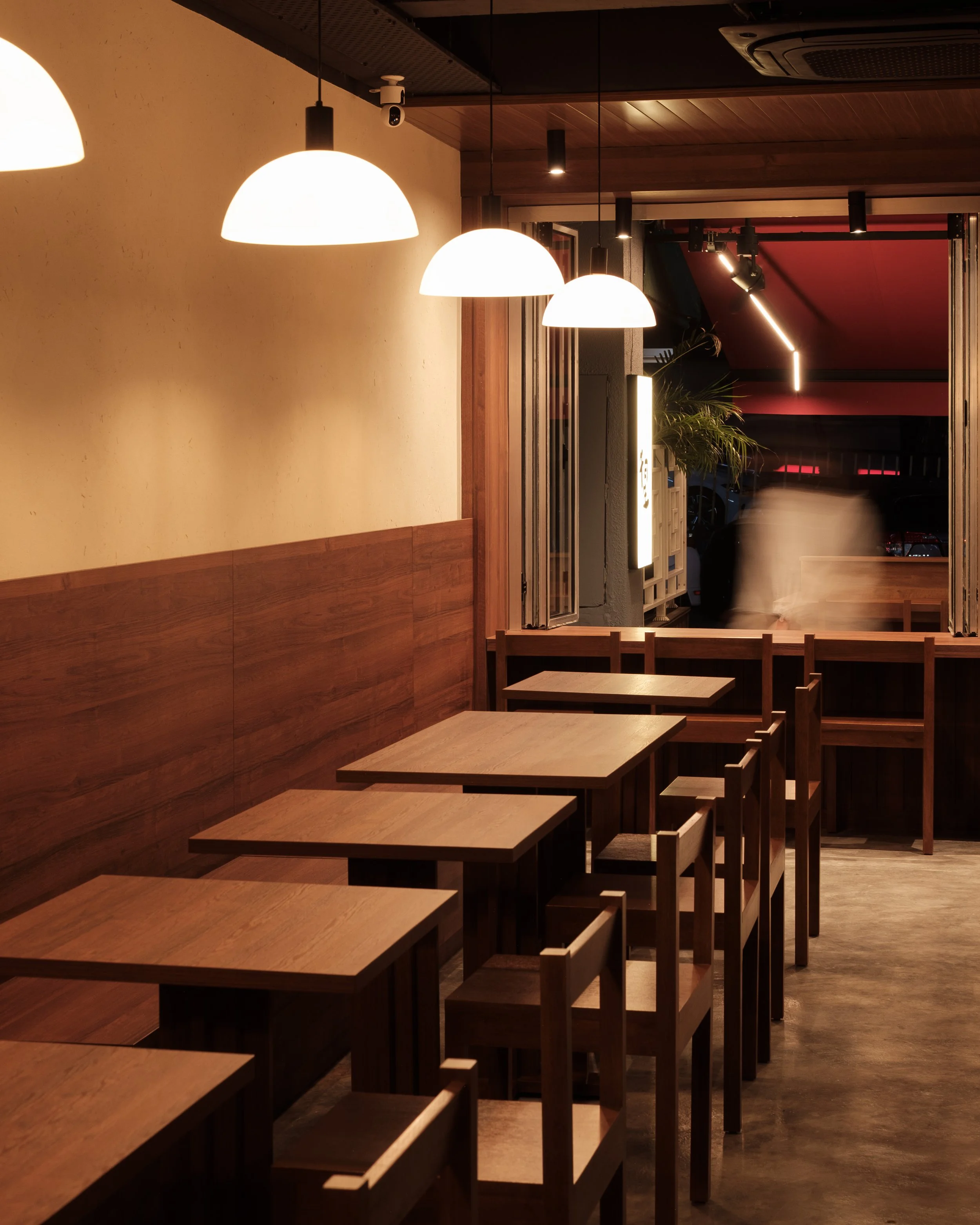
This restaurant is a study in material honesty. Where feasible, we’ve turned away from synthetic and off-the-shelf finishes so prevalent in commercial settings, and have returned to using natural materials with their own stories.
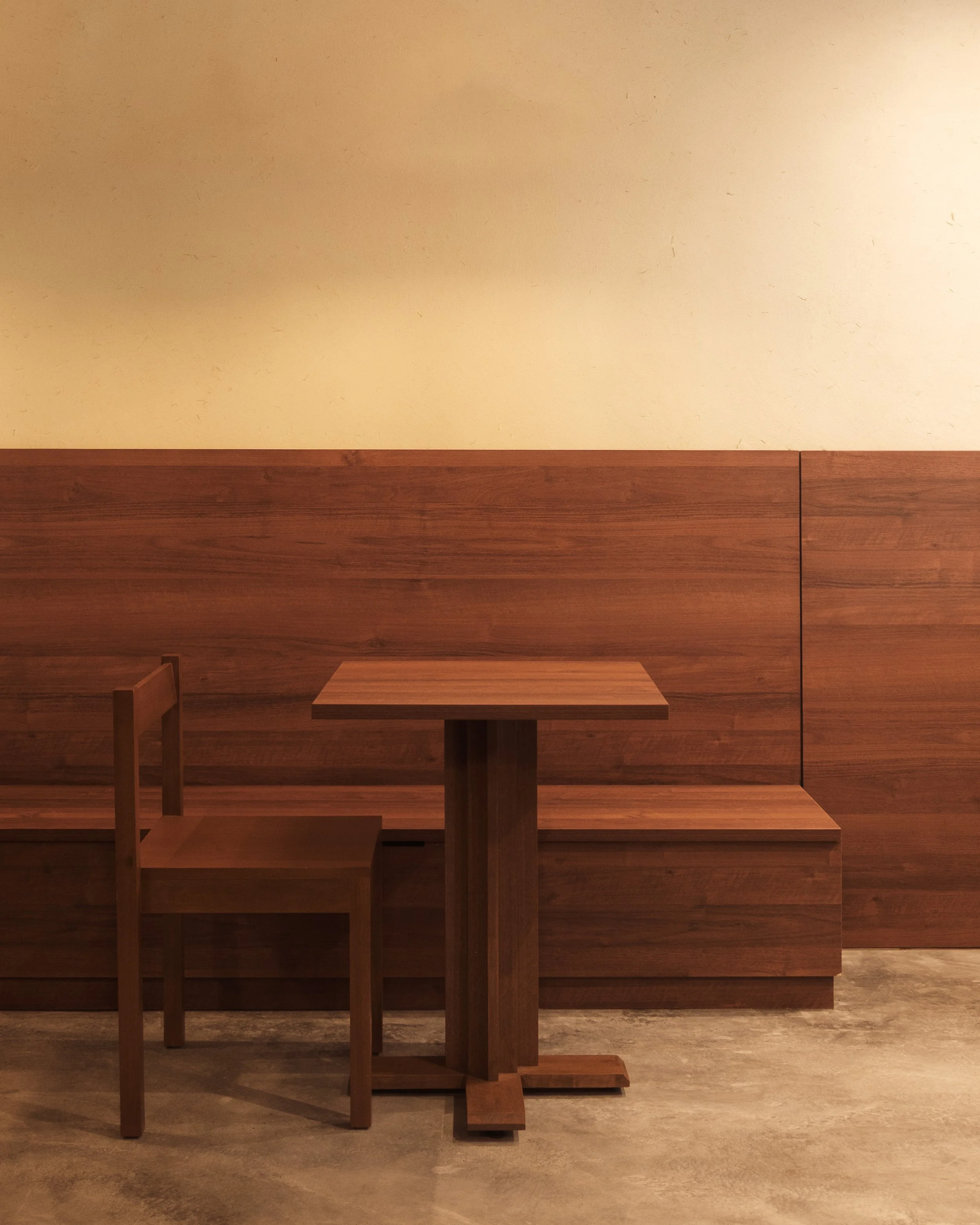
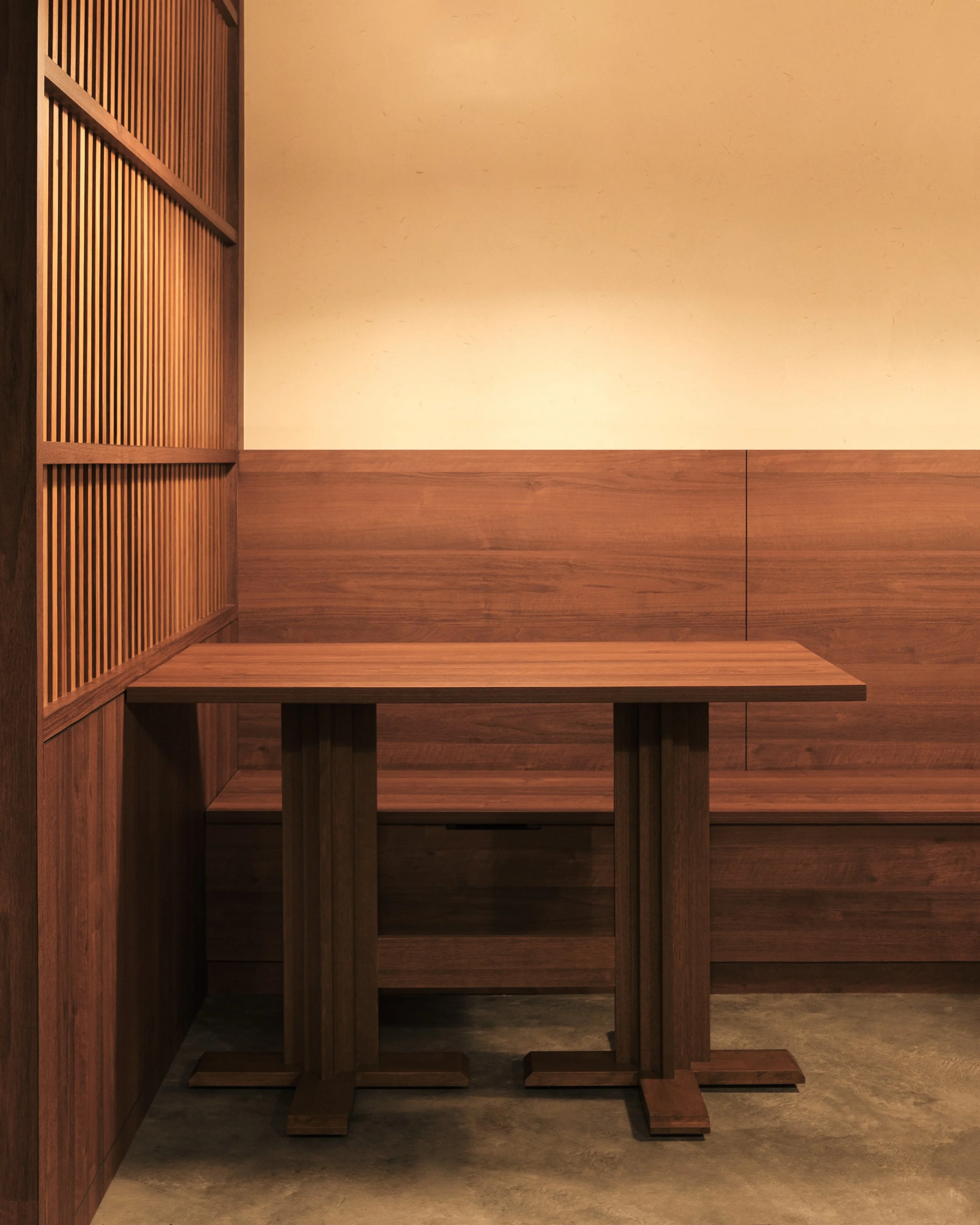
Three defining materials in particular embody this ambition: the furniture, the fabric noren, and the clay plaster finish. Each is a collaboration with local artisans, each worked by hand, each holding their own, yet together presenting a room which is found and not fitted.
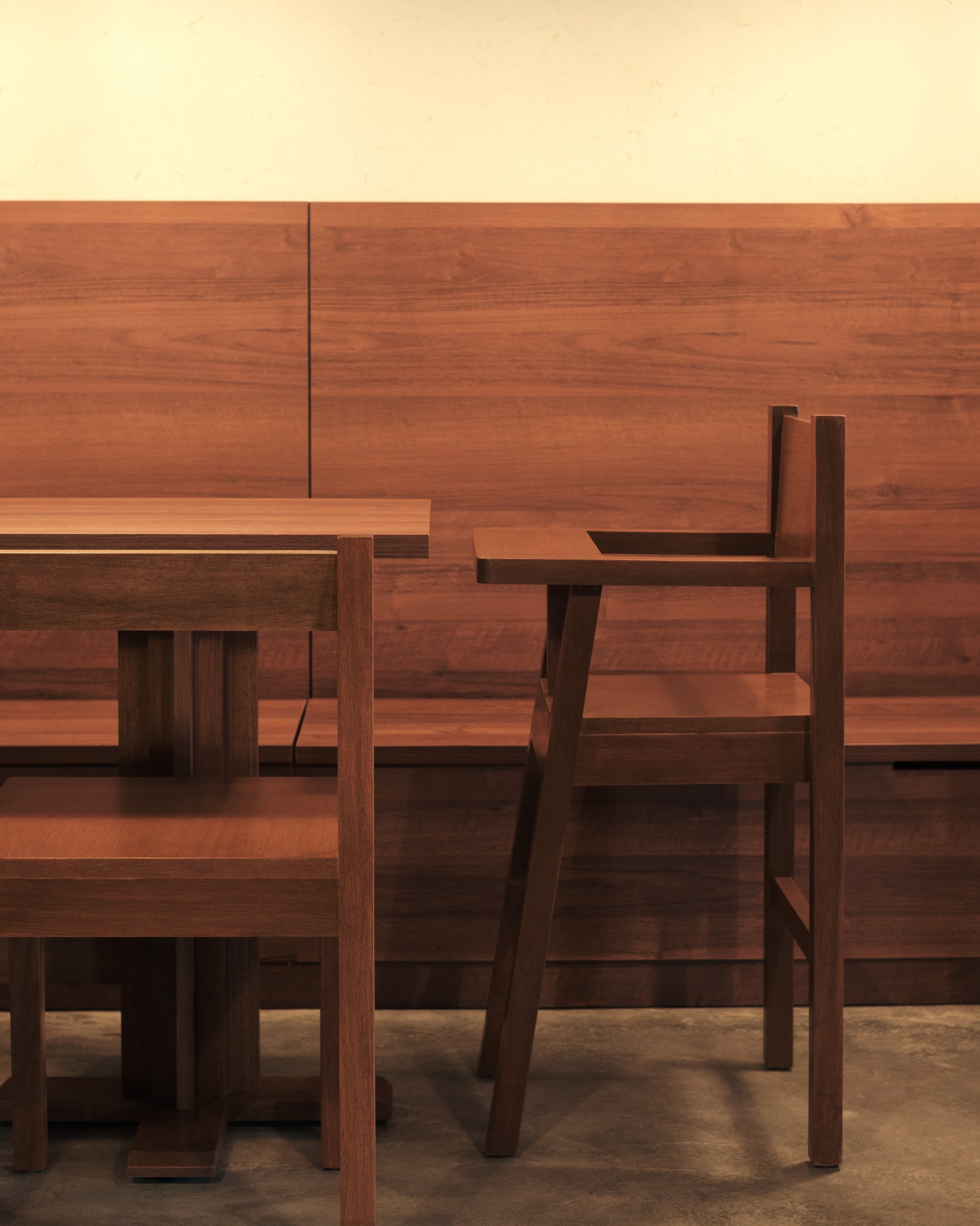
Rather than picking from a catalogue, we chose instead to design the furniture and have them fabricated locally; in this way, both formal stance and finishes can remain consistent throughout the restaurant. Intentionally sober in tone, they are nothing more than they need to be, most certainly nothing less.
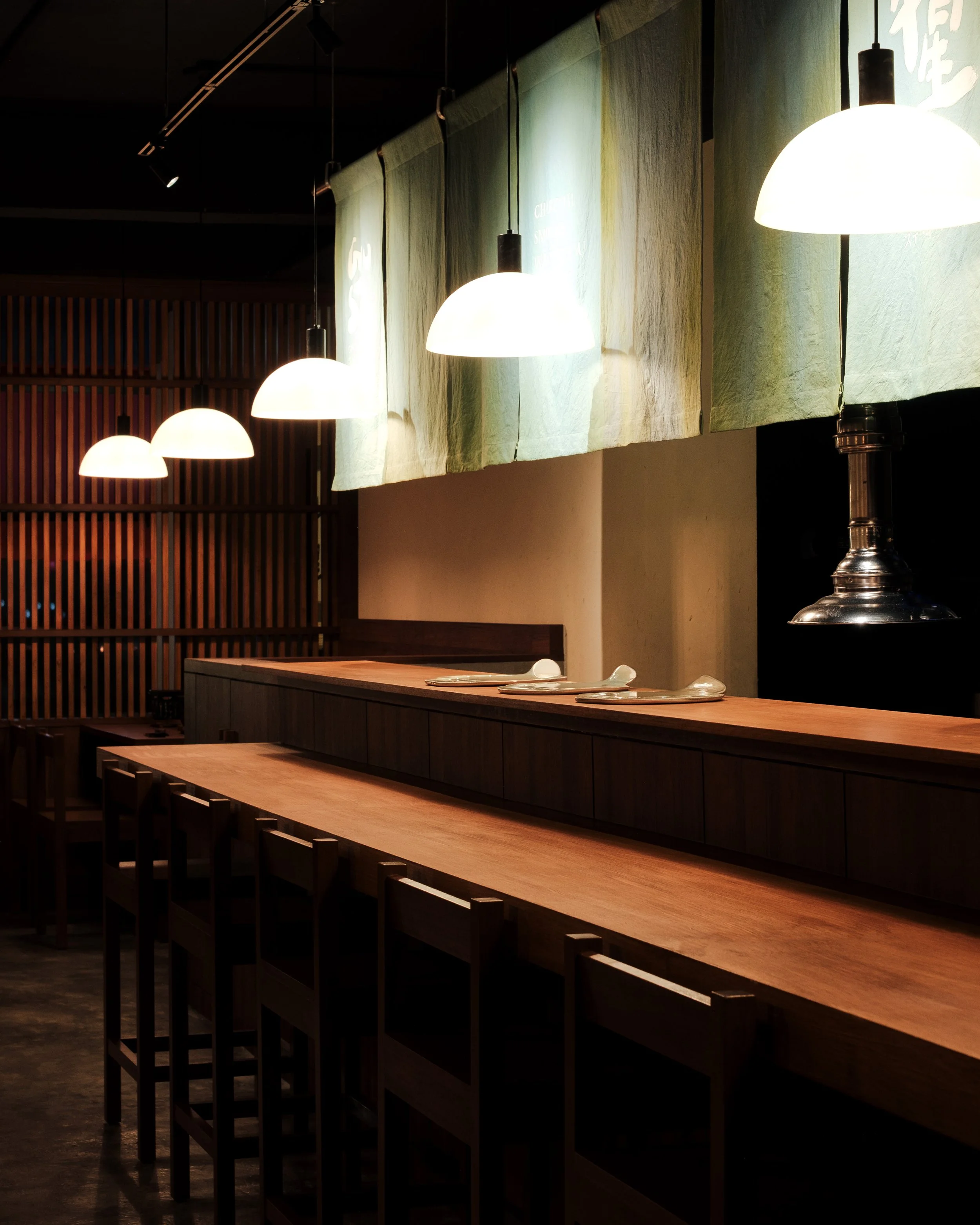
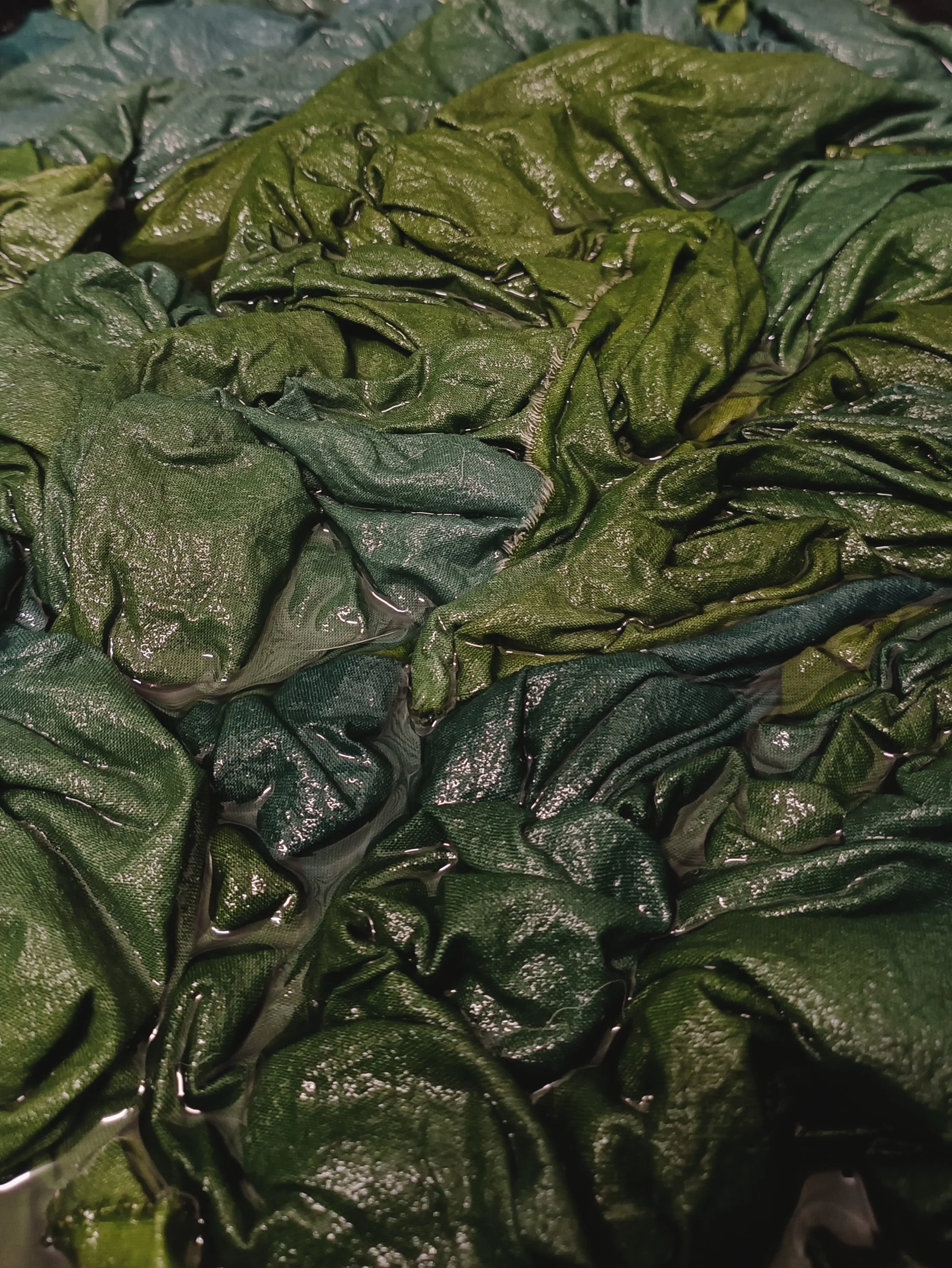
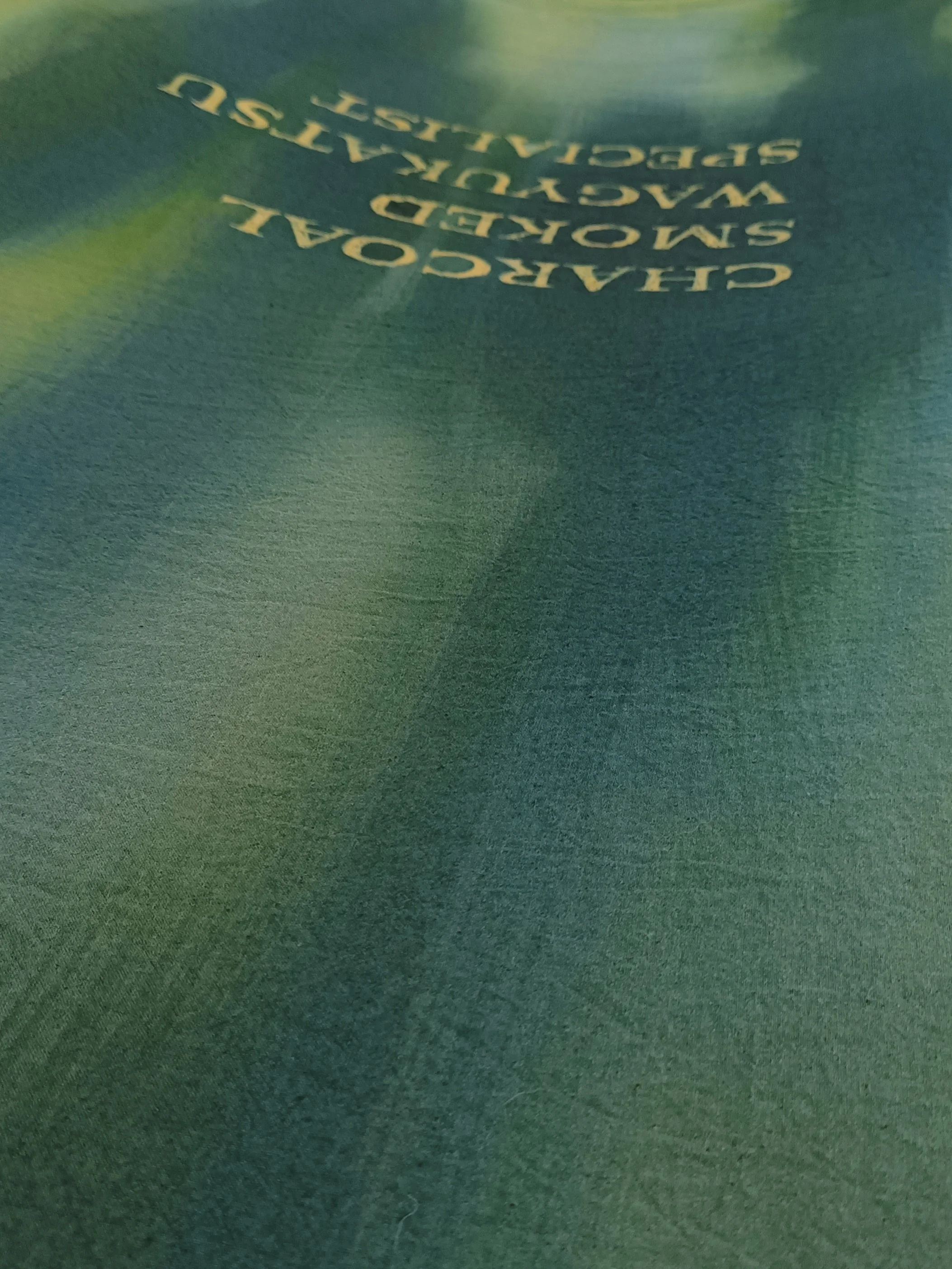
The noren is a familiar presence in any Japanese establishment; this one is entirely local in its making. Working with local artisans, the fabric is batik-dyed, its text meticulously applied in wax by hand before dyeing, leaving the letters as a negative in the cloth. The points of reinforcement and the attachment details have been designed to last, yet allow the fabric to be readily detachable.
The noren is one of several soft surfaces in the room that capture and reflect the right amount of light through, intentionally keeping glare out of the room for a dining experience that is intimate, yet without the need for enclosure.


The clay plaster is a finish made from four ingredients: hand-cut straw from Sekinchan, clay from Perak, natural starch as a binder, and sand. The straw was kept intentionally present in the mix, giving the surface a texture and character that can only be truly seen in person. It is a warm embrace that draws you in slowly, rather than announcing itself.
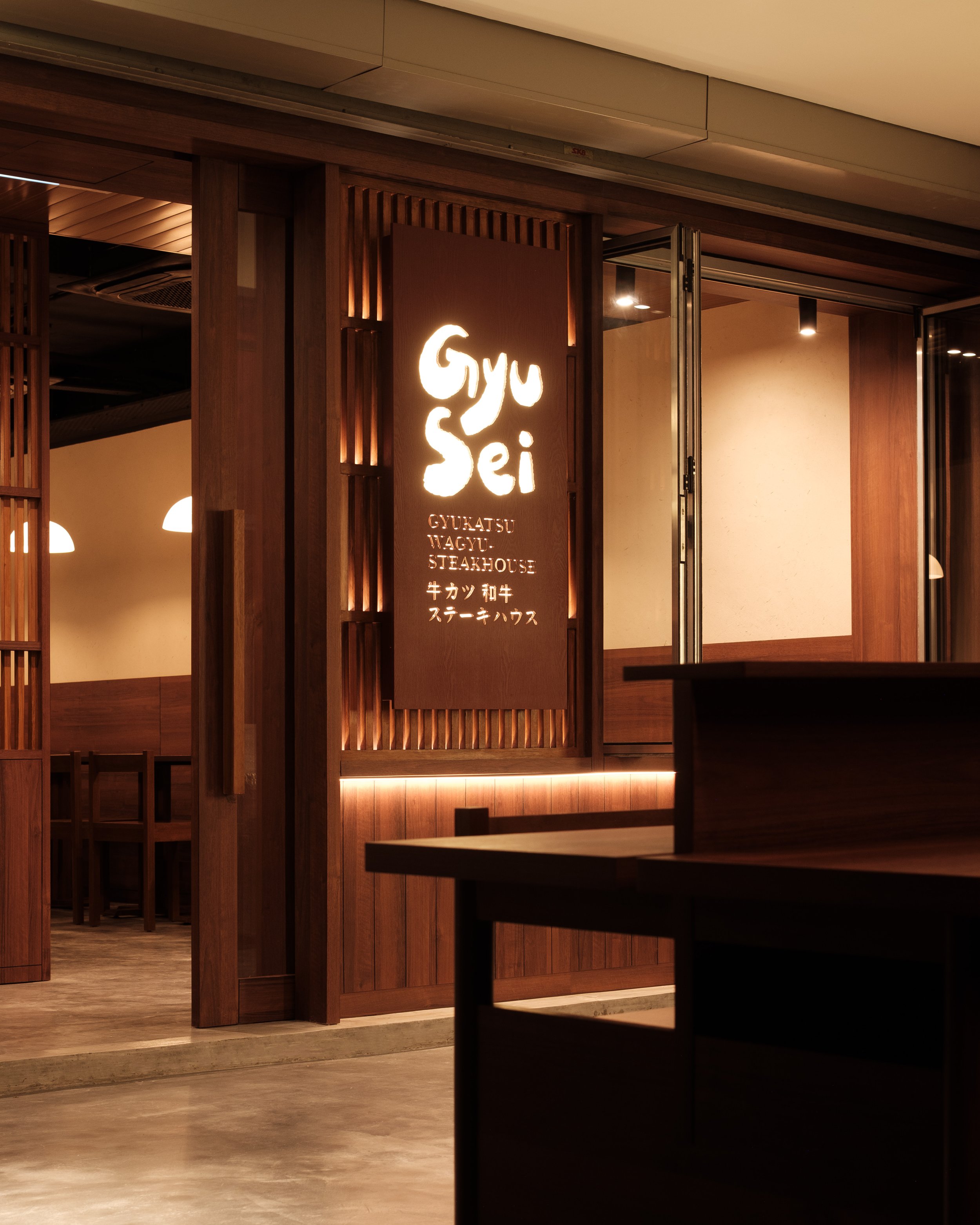
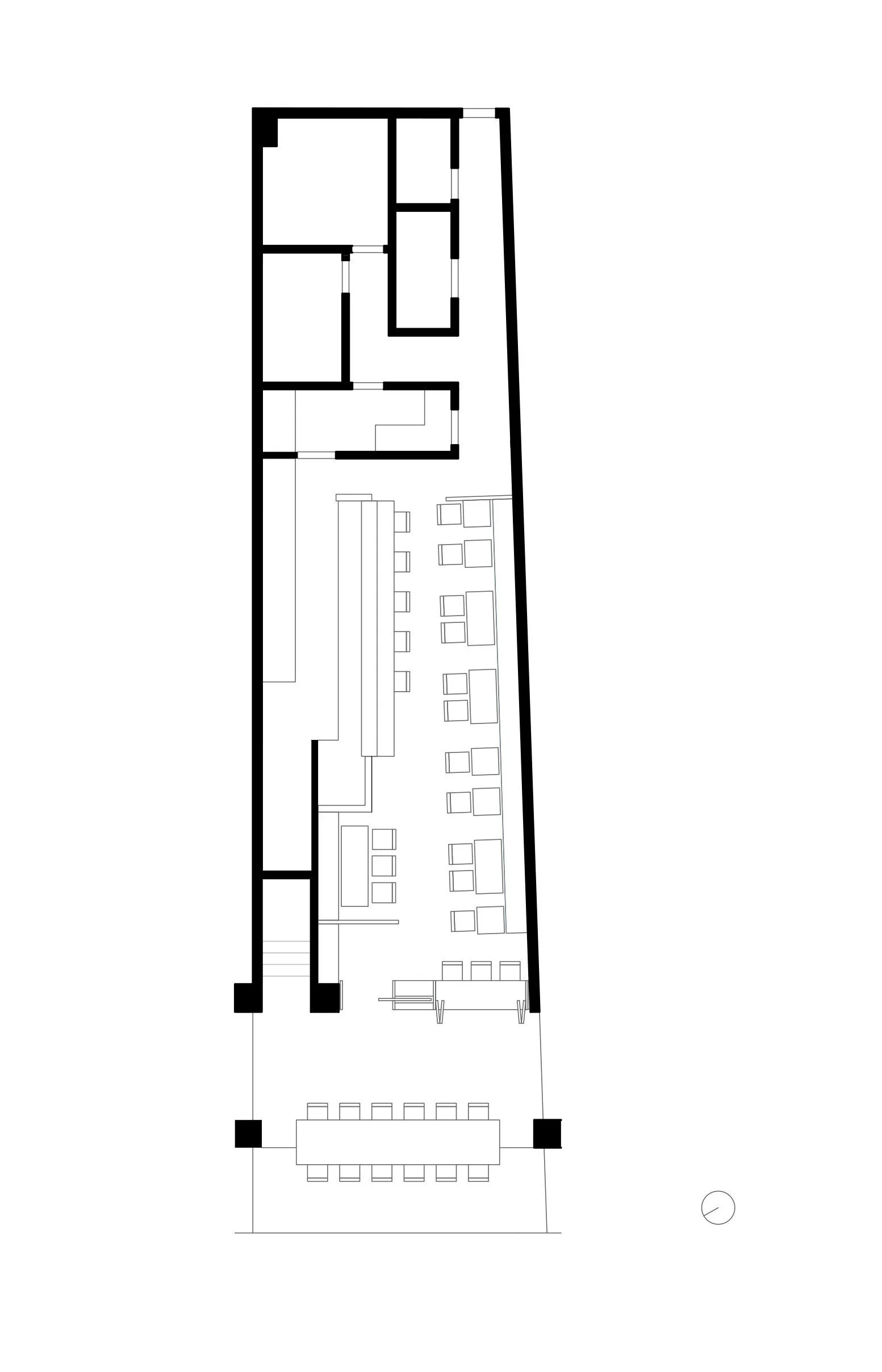
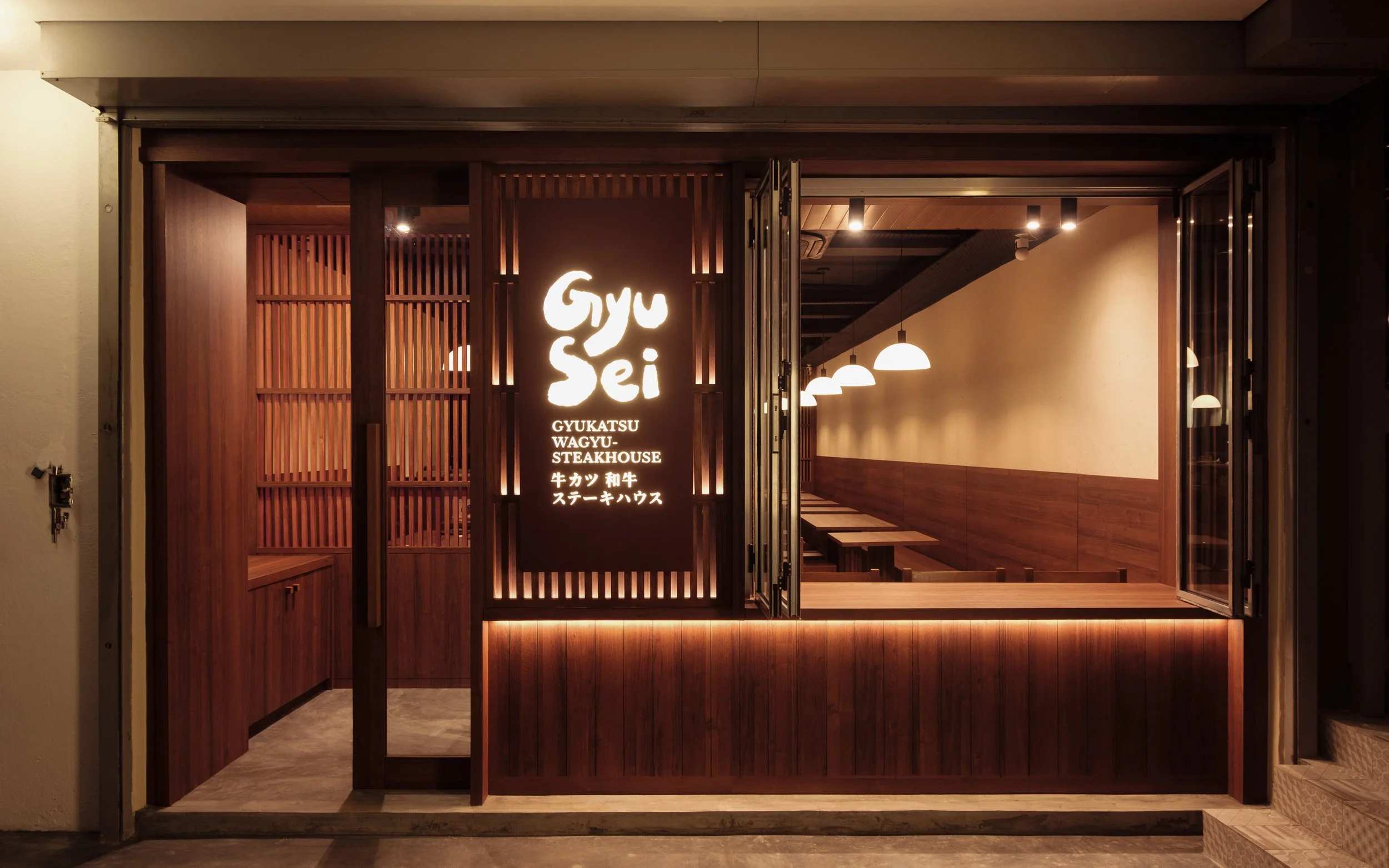
The front of the restaurant is one which is occupied. Foldable windows open up to introduce a single table which can be shared between the interior and the exterior, drawing in energy from our neighbours but also presenting the restaurant’s dining experience to the street.